
Cannabis Security Compliance Under the Cannabis Act
Health Canada's Physical Security Directive plus provincial retail rules — the annual audit checklist licensed producers and retailers actually get graded on.
cannabiscompliancehealth canadaretail security
01
The Regulatory Landscape.
Cannabis security in Canada is governed by Health Canada's Physical Security Directive at the licensed-producer level and by provincial retail regulators (OCS, AGLC, BCLDB, SQDC, and equivalents) at the retail level. Municipal by-laws layer on top.
02
Intrusion Detection.
24/7 monitored intrusion detection with dual signal paths (IP + cellular backup). Motion detection on every restricted-access room. Panel supervision to a UL/ULC-listed monitoring station — SOC 2 audited where possible.
03
Video Surveillance.
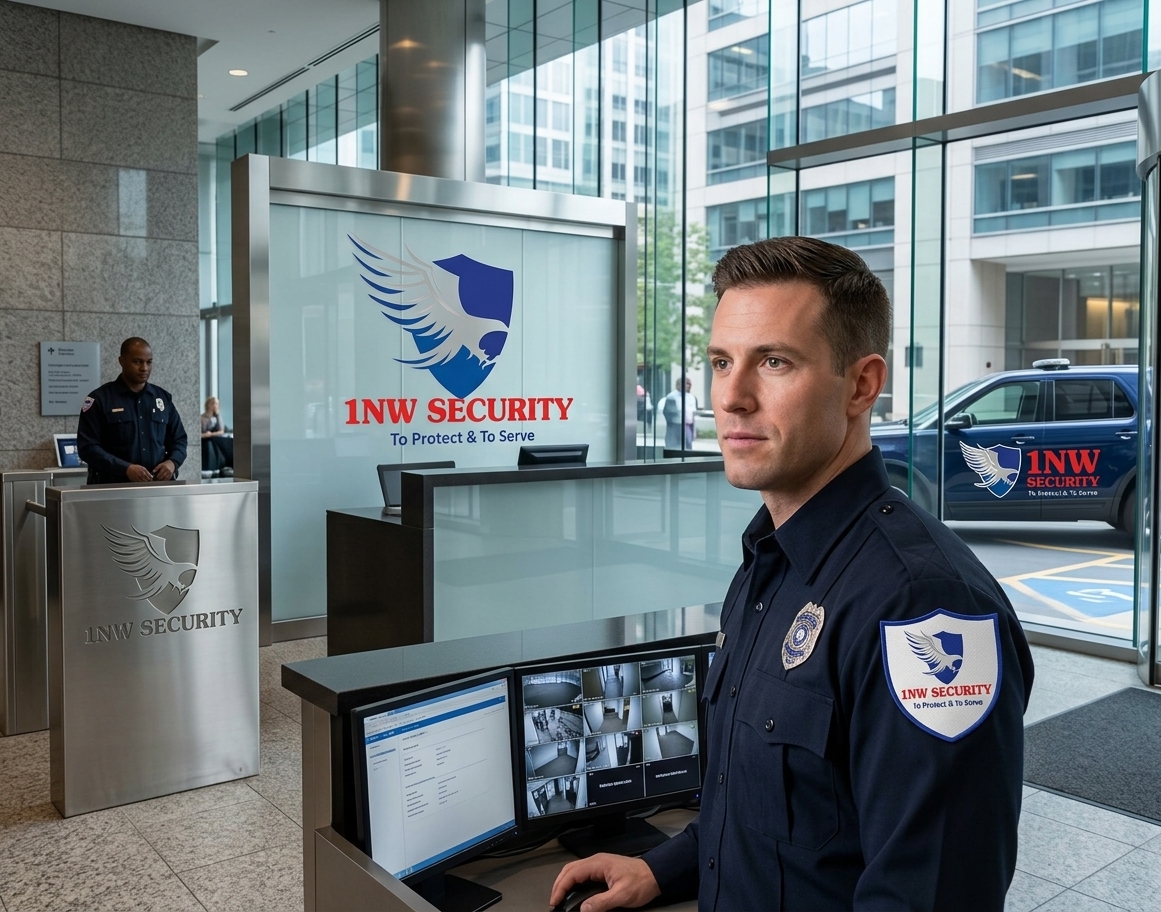
Every restricted-access area, every point of egress, and every destruction event captured on video, retained 12 months minimum. Camera health checks daily — a broken camera is a compliance failure.
04
Access Control.
Two-factor authentication into vaults and restricted areas. Access-attempt logging. Anti-passback where practical. Terminated employees' credentials revoked within one shift.
05
Personnel Screening.
Health Canada requires Security Clearance for LP key personnel. Guards deployed to LP sites should be BST/PSISA licensed plus WHMIS-certified. 1Northwest Security adds NVCI training for retail-facing deployments.
06
Destruction Events.
Destruction of cannabis product requires witnessed, video-recorded, and documented protocols. Two officers minimum on-site during destruction. Chain of custody logged.
07
Retail-Specific Requirements.
Retail dispensaries add customer-facing complexity: age verification, panic buttons at every till, drop-safe protocols for cash, and municipal secondary-review windows. Regional variance matters — SQDC requirements differ from OCS.
08
The Annual Audit.
Health Canada and provincial regulators can arrive unannounced. The winning audit posture is documentation-first: every camera health check, every incident, every destruction event, timestamped and retrievable within five minutes.
Related Services
Continue Reading
Compliance & Licensing
PSISA: Ontario Security Guard Licensing Explained
Oct 18, 20257 min
The Ontario Private Security and Investigative Services Act (PSISA) governs every guard in the province. Here's what it actually requires — and where agencies cut corners.
Read article

Compliance & Licensing
Fire Watch Requirements: NFPA 101 and CAN/ULC-S536
Apr 22, 20255 min
When your sprinkler is down, code doesn't ask nicely. What certified fire watch actually requires — and what your insurance adjuster will check.
Read article
Buyer Guides
How to Choose a Security Guard Company in Canada
Nov 4, 20258 min
A procurement-grade checklist covering licensing, insurance, SOP quality, and reporting — the eight things that separate a real security partner from a headcount vendor.
Read article