The Program
Healthcare security is where security work stops being a deterrent function and becomes a clinical support function. Our officers are IAHSS-credentialed, NVCI-trained, and know that the person in crisis is also the patient.
Sub-programs
What Sits Inside Healthcare Security.
Healthcare Security isn't one service — it's a coordinated program. Every sub-program below is staffed, trained, and equipped specifically for the sector's operating context.
01
Acute Care Hospitals
Full-facility security programs: ED coverage, in-patient ward support, restricted-access management, patient-property inventory, and clinical liaison with charge nurses and hospital administration.
02
Long-Term Care & Retirement
Wandering-patient protocols, elopement response, family-visit management, and after-hours access control. Sensitivity to resident dignity is trained on before the first shift.
03
Mental Health & Psychiatric Units
Non-Violent Crisis Intervention (NVCI) trained officers, restraint-avoidance protocols, and integration with clinical care teams. Reactive posture — never initiate, always respond to clinical direction.
04
Community Clinics & Medical Offices
Post-based officers, panic-button response, and after-hours patrols for medical office buildings. Trained on healthcare-specific privacy considerations.
On-the-ground reality
What the Sector Actually Deals With.
01
Code Response Coordination
Codes White (violent person), Silver (weapon), and Yellow (missing patient) require officer-clinician-facilities coordination in seconds. We run tabletop drills quarterly with each hospital client.
02
Restraint and Use-of-Force Minimisation
Healthcare demands the lowest-force posture in the security industry. NVCI-first, restraint-avoidance, and always in support of clinical direction.
03
Wandering and Elopement
For LTC and mental health units, elopement is a predictable event. Our SOPs pre-position officers at exits during high-risk periods and use silent-alert protocols to avoid escalating a distressed resident.
04
ED After-Hours Volatility
Emergency departments after 22:00 present a specific behavioural mix: intoxication, mental health crises, and system frustration. NVCI-trained officers with charge-nurse partnerships de-escalate more effectively than uniformed intimidation.
Compliance & Certifications
Every Credential Your Auditor Asks For.
- IAHSS Basic Security Officer (BSO) certification on hire
- IAHSS Advanced Security Officer (ASO) within 24 months for tenured officers
- IAHSS Supervisor (SSSO) for on-site supervisors
- Non-Violent Crisis Intervention (NVCI) — CPI or equivalent
- Mental Health First Aid Canada (MHFA) within 12 months
- Provincial security licensing
- TeamSTEPPS familiarisation for clinical coordination
- PHIPA / provincial privacy legislation training
Deployment story
Regional Hospital Network — Mental Health Unit
Reduced Code White activations by 41% in 12 months through a redesigned officer-clinical partnership model. Focus shifted from post-based visibility to relational patient rounds with charge-nurse liaison.
-41%
Code White activations
+62%
Patient satisfaction
0
Restraint-related injuries
Healthcare SecuritySector ProgramCoast to coastOne standardHealthcare SecuritySector ProgramCoast to coastOne standardHealthcare SecuritySector ProgramCoast to coastOne standard
Service Lines Under This Program
Service
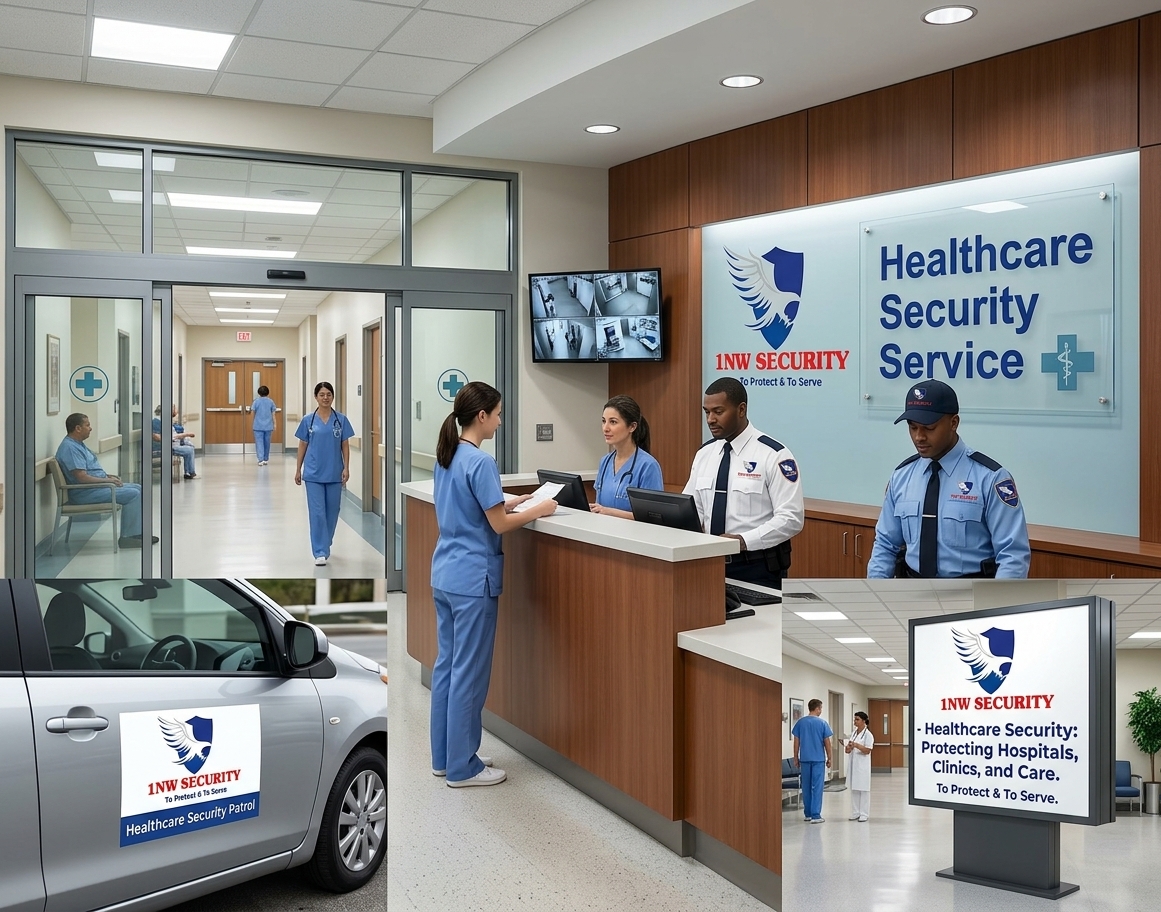
Healthcare Security
Non-violent crisis intervention, wandering-patient response, mental-health crisis management, and secure medication rooms.
View service
Service
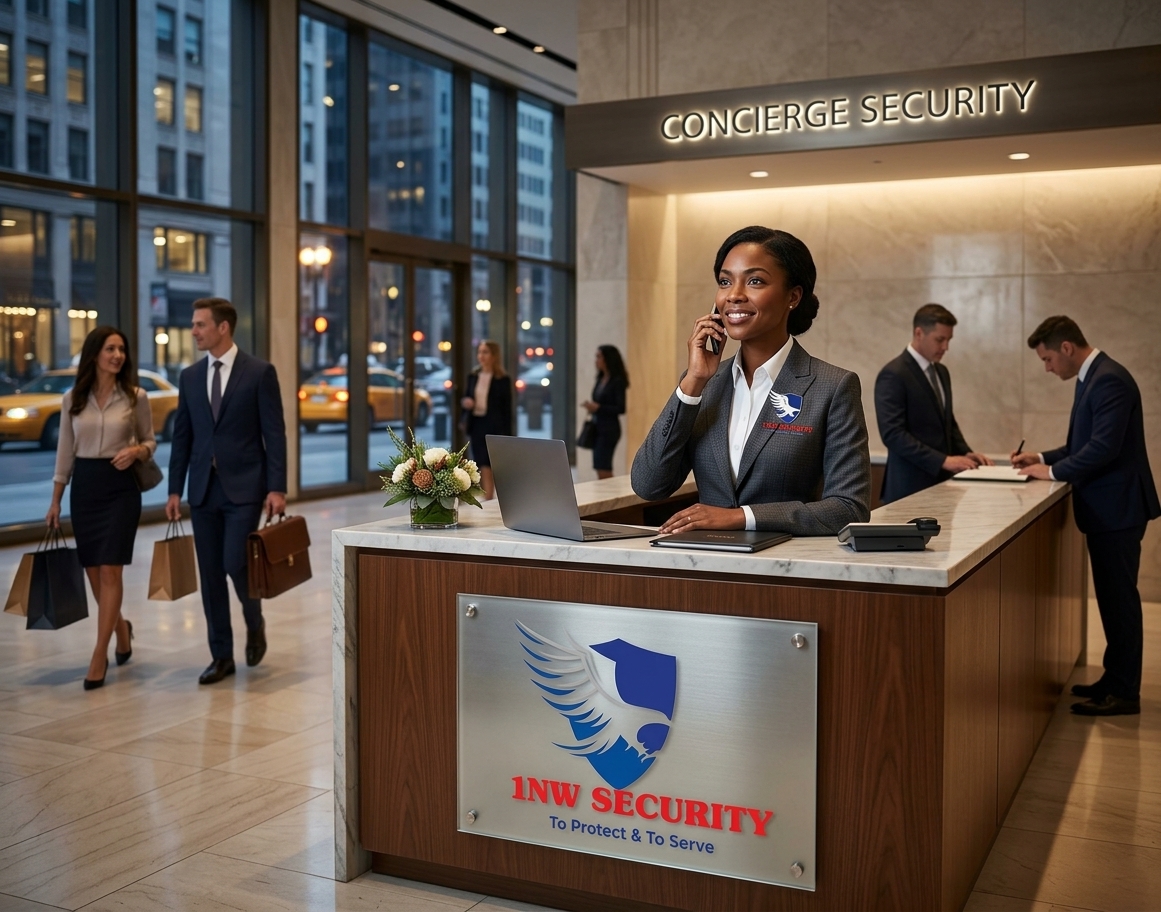
Concierge Security
Residential and commercial concierge officers who greet, screen, log, and respond — with the polish your tenants expect.
View service
Service
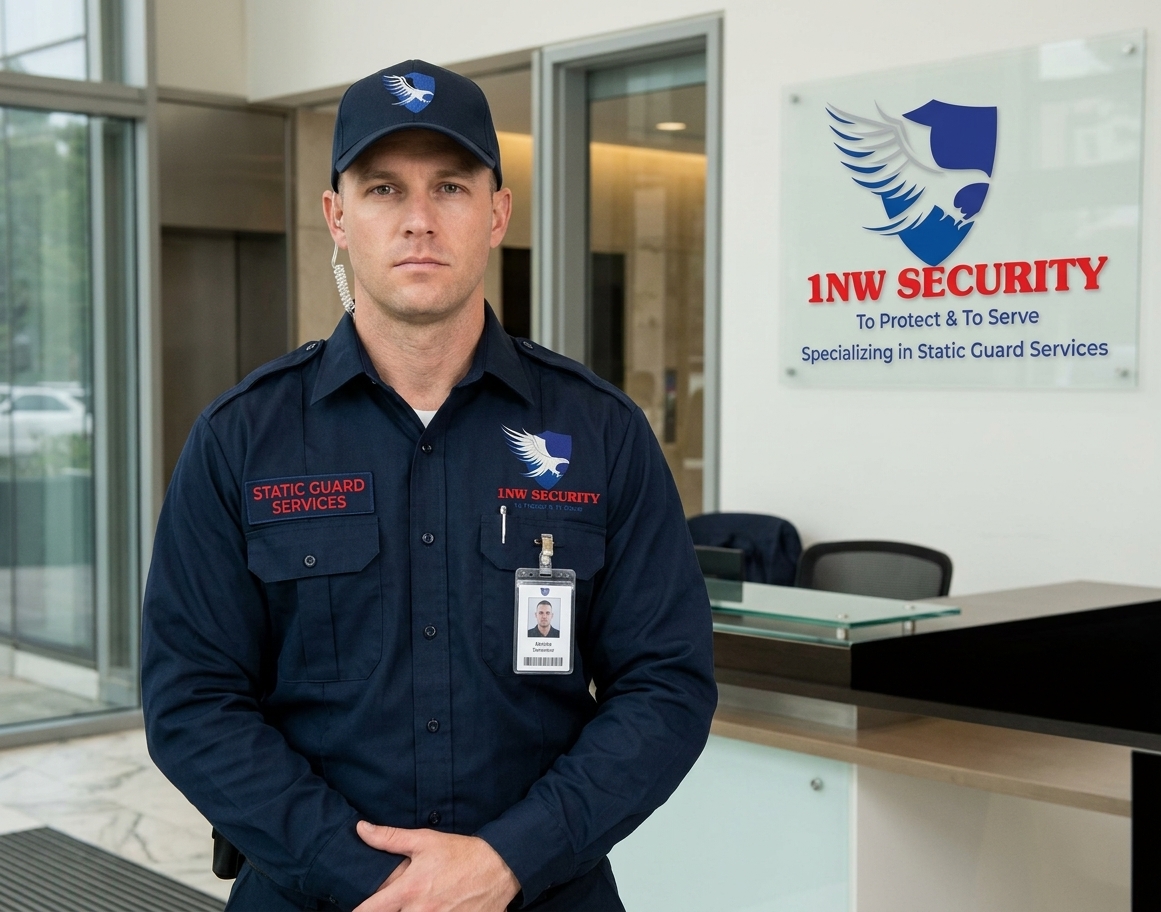
Static Guard Services
Post-based licensed security officers with de-escalation training, incident reporting, and site-specific SOPs.
View service
Service
Alarm Response
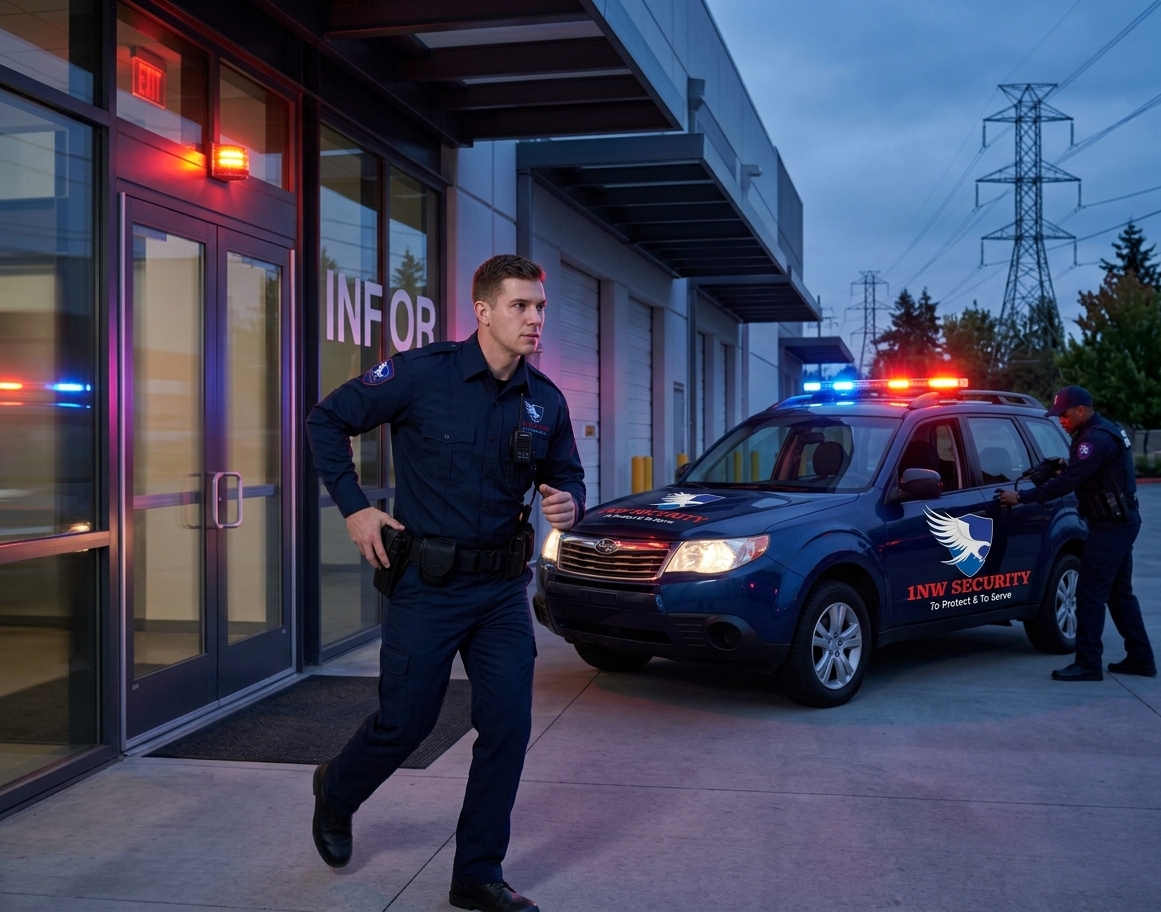
24/7 dispatch, average sub-10 minute urban response, camera verification, and standardised handover to police.
View service
Service
Corporate Security
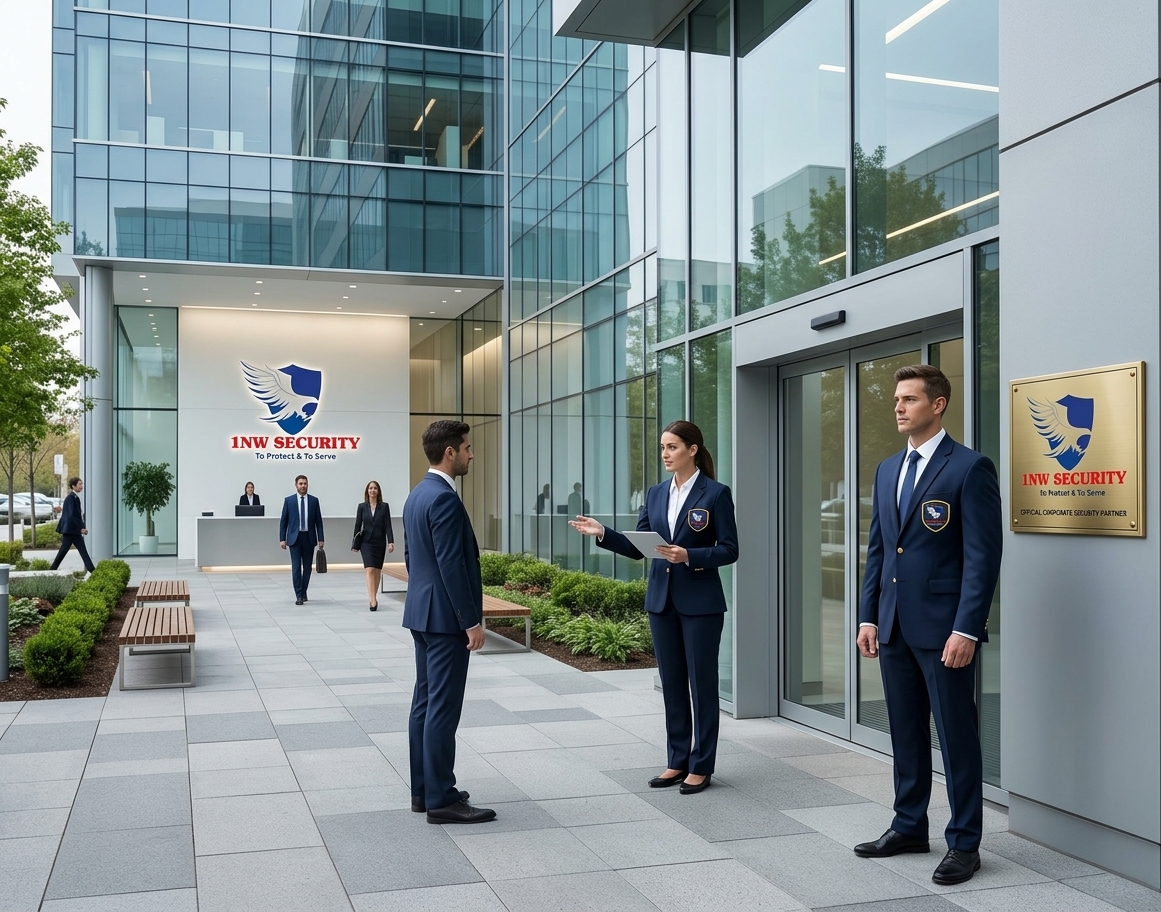
Program-level corporate security: access control, workplace violence response, insider threat, executive floors.
View service
Where we deploy this program
Healthcare Security — Nationwide.
Healthcare Security — TorontoHealthcare Security — MontrealHealthcare Security — VancouverHealthcare Security — CalgaryHealthcare Security — EdmontonHealthcare Security — OttawaHealthcare Security — WinnipegHealthcare Security — Quebec CityHealthcare Security — HamiltonHealthcare Security — KitchenerHealthcare Security — LondonHealthcare Security — Victoria
FAQ
Healthcare Security — Questions We Get.
Do All Your Healthcare Officers Hold IAHSS Certification?
Yes. IAHSS Basic Security Officer is minimum on hire. Advanced within 24 months for tenured officers. Supervisors hold IAHSS-SSSO.
Can You Staff a Psychiatric Ward?
Yes. Our psychiatric-unit officers are NVCI-trained plus MHFA-certified. Deployment is always in clinical support — officers do not initiate patient contact.
How Do You Coordinate with Hospital Administration?
Every acute-care client receives a dedicated 1Northwest Security Site Manager who attends security-committee meetings, hosts quarterly tabletop exercises, and reports to your Director of Security or Chief of Staff.
What's Your Code White Response Time?
For post-based facilities, we target under 30 seconds from activation to arrival at the incident zone. Mobile-response facilities are engineered around the specific building geometry.