Any time a fire suppression system (sprinkler, standpipe, alarm) is impaired for longer than the code-permitted grace period. Also during hot-work (welding, cutting) and after certain post-incident insurance claims.
02
Round Frequency.
Typically every 15 or 30 minutes across the affected area. Every round must be logged with time, initials, and observations. Round frequency comes from the AHJ (Authority Having Jurisdiction), not from convenience.
03
Officer Requirements.
Officers must know how to operate a fire extinguisher, activate a manual pull station, and evacuate the affected occupancies. They carry a portable extinguisher, radio, and pre-loaded incident forms.
04
Documentation.
Fire watch logs are auditable by the fire marshal and by your property insurer. Missing rounds = code violation = potential occupancy loss.
05
How 1Northwest Security Deploys.
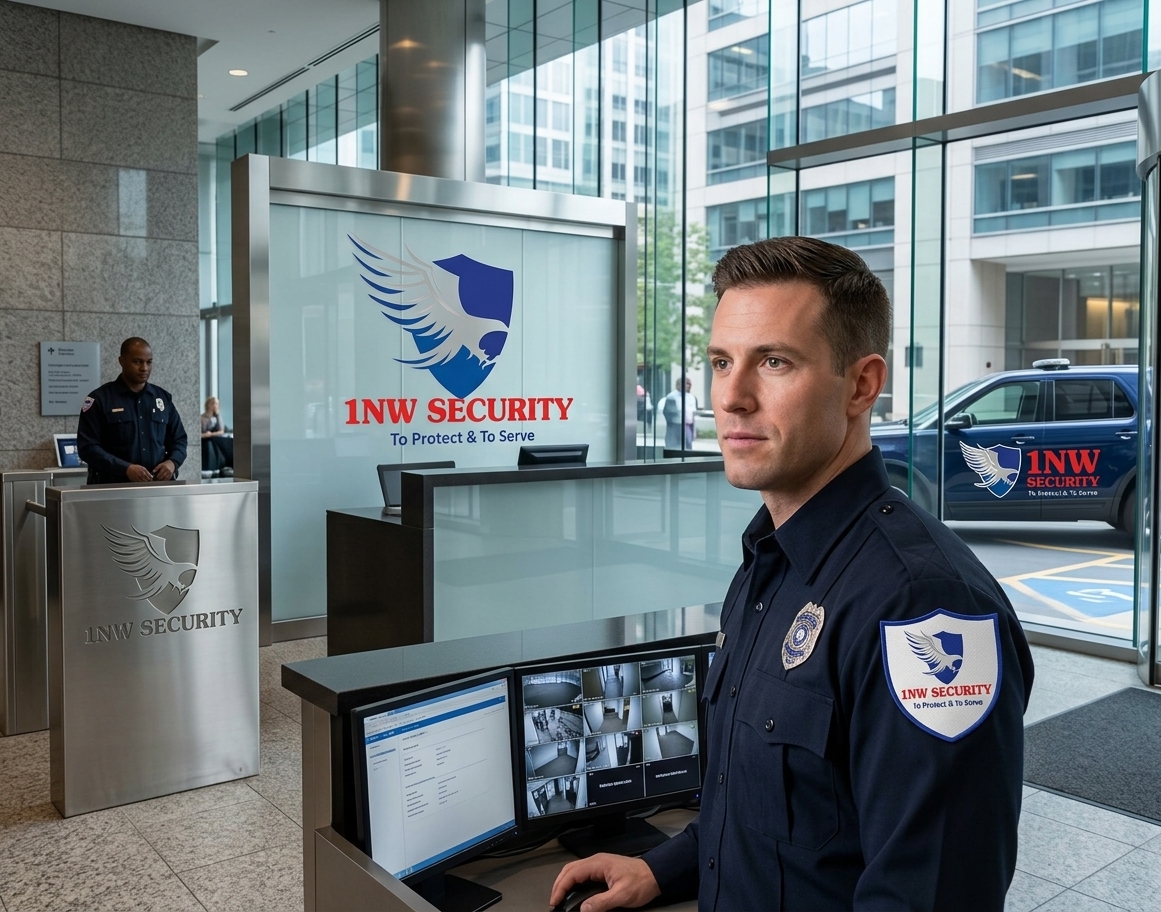
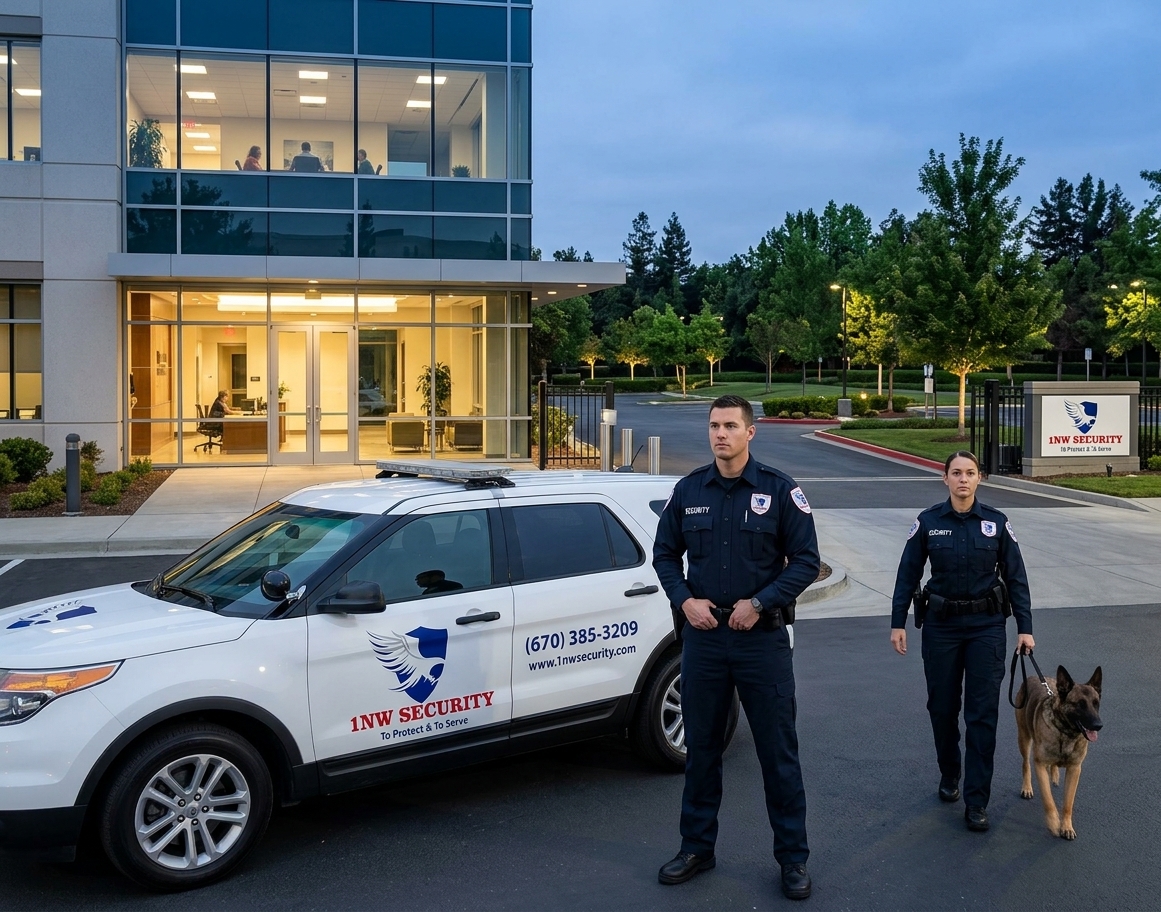
Same-day fire watch is available across every major Canadian market. Officers arrive with kit, logs, and a briefing on the site's specific impairment scope.
Licensed and insured in every Canadian province and territory. A single point of contact, a single portal, and a single invoice for national portfolios.
Trusted Security Company. 24/7 Expert Security Solutions For Businesses Across Canada. Construction Site, Fire Watch, Static Guards, Concierge, Mobile Patrols, Retail Loss Prevention, Events and Tailored Services to Protect Your Business.